

What Is EC Support for Local Retailers? Key Points of OMO Operations Synchronized with Physical Stores
"Physical store sales are stable, but EC expansion is not going well." "Inventory is scattered between the store and online, and it's unmanageable." For local retailers struggling with these issues, the strategic utilization of EC support and OMO (Online Merges with Offline) operations are now urgent priorities, not optional luxuries. In this article, we explain step by step, organized in a MECE framework, how local small-to-medium retailers can effectively integrate store and online operations to maximize revenue.
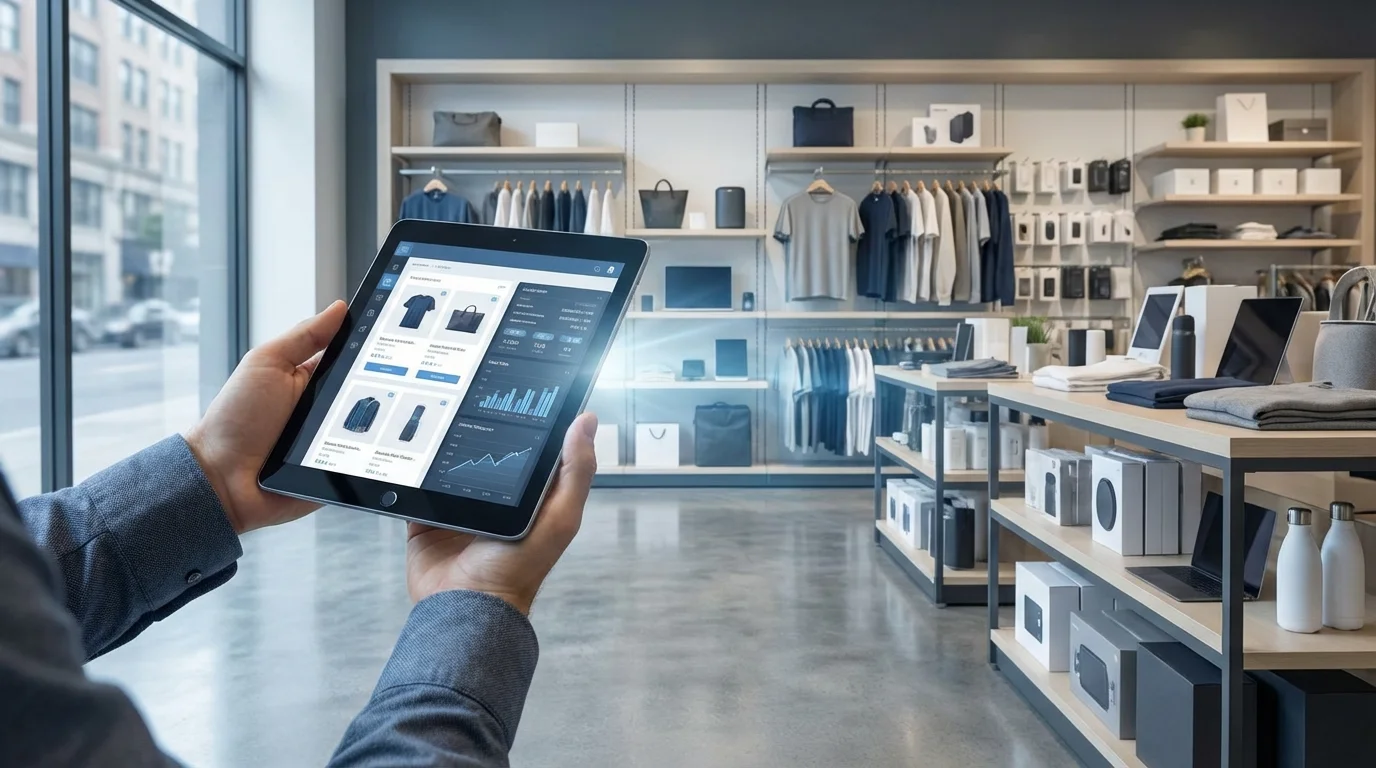
Table of Contents (Click to Expand)
1. Defining EC Support for Local Retailers
EC support encompasses: platform selection, product listing, digital marketing, logistics integration, and data analytics. For local retailers, the key is seamlessly connecting physical and digital operations.
2. OMO Operations: Inventory Synchronization and Single Source of Truth
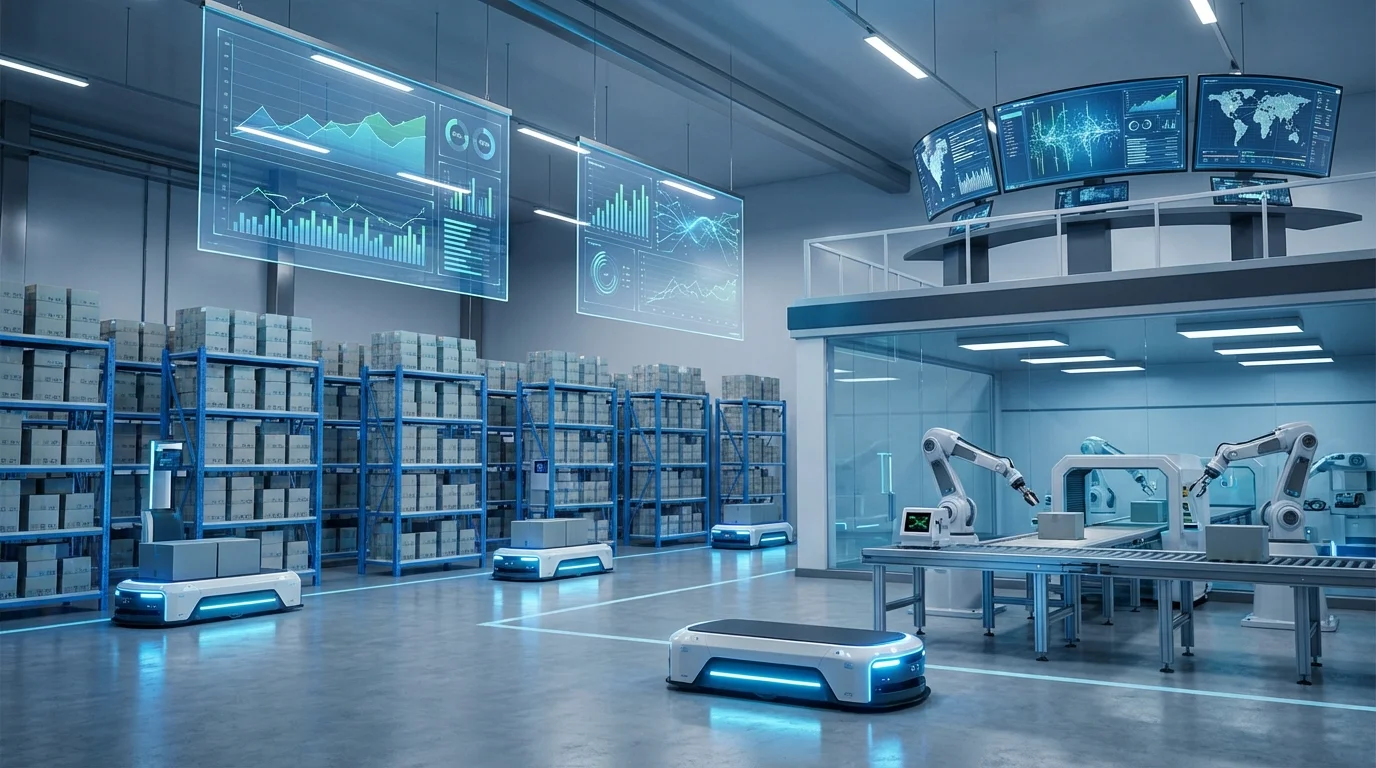
The biggest bottleneck when selling through both physical stores and EC is inventory inconsistency caused by "information asymmetry." When products already sold in-store continue to show as "in stock" on the EC side, it not only decreases customer satisfaction (damaging LTV) but also negatively impacts the search algorithm (SEO) within the marketplace. What resolves this is real-time inventory synchronization through API integration, and centralized data management is the absolute prerequisite for OMO success.
Take Your EC Business to the Next Stage
Our consultants provide customized strategies tailored to your specific business challenges.
Get Free Strategy ConsultationSummary
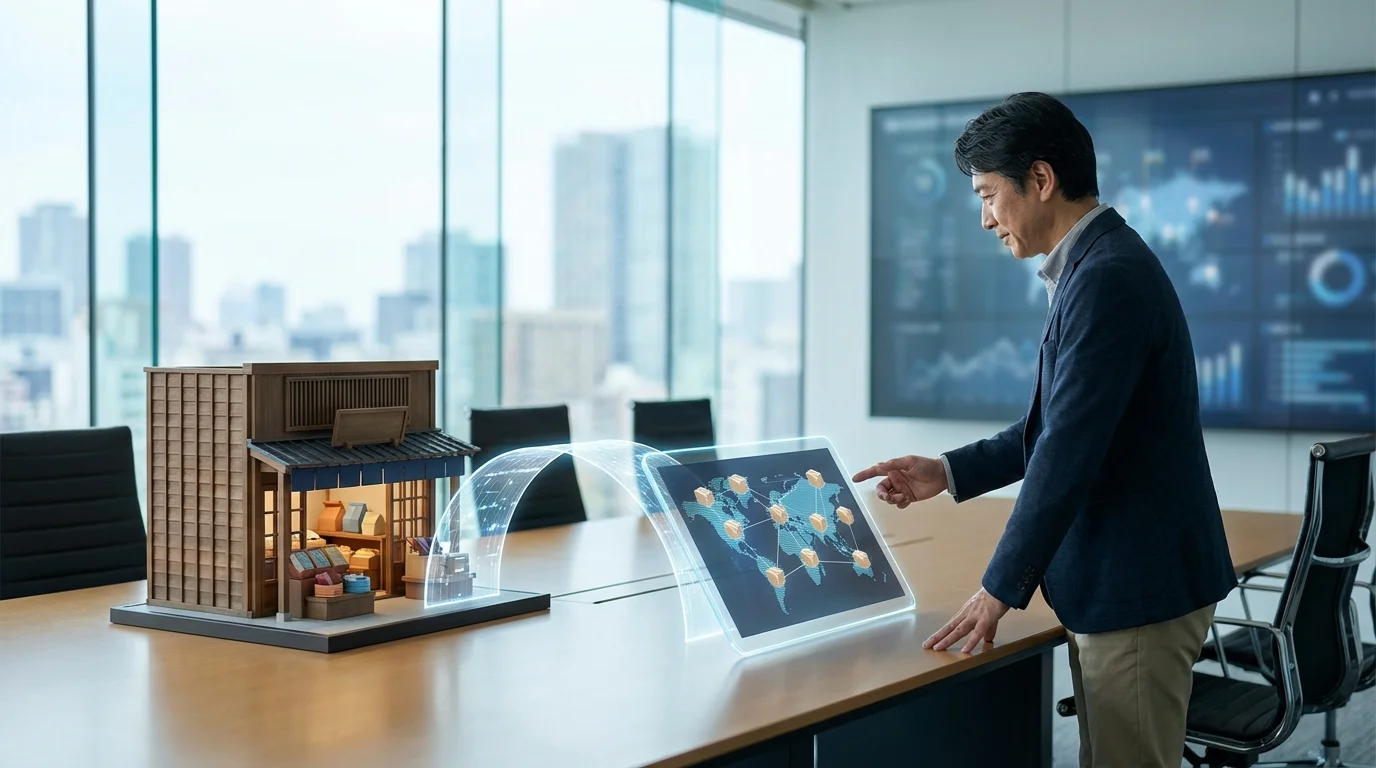
Local retailers can leverage EC to extend their reach beyond geographical limitations. OMO (Online Merges with Offline) operations synchronize inventory and customer data between physical stores and EC.
Published: 2026-02-18 / Author: Yuta Ito

You May Also Like


References
- [1] Local Retail EC Support: OMO Integration Guide
- [2] Inventory Synchronization Best Practices for Omnichannel