

[2026 Latest] Fully Automated Meeting Minutes: The Pinnacle of Contextual Understanding via Speaker Diarization and LLMs
In 2026, as business decision-making speeds accelerate, time spent "recording" meetings is nothing more than a pure cost. Speaker Diarization—identifying "who said what"—and summarization that captures technical terminology and context once had their limits with conventional transcription tools. However, with the leap in AI technology, they have now reached the realm of full automation. This article explains the pinnacle of meeting minutes generation using the latest tech stack.
1. Structured Data Enabled by Speaker Diarization
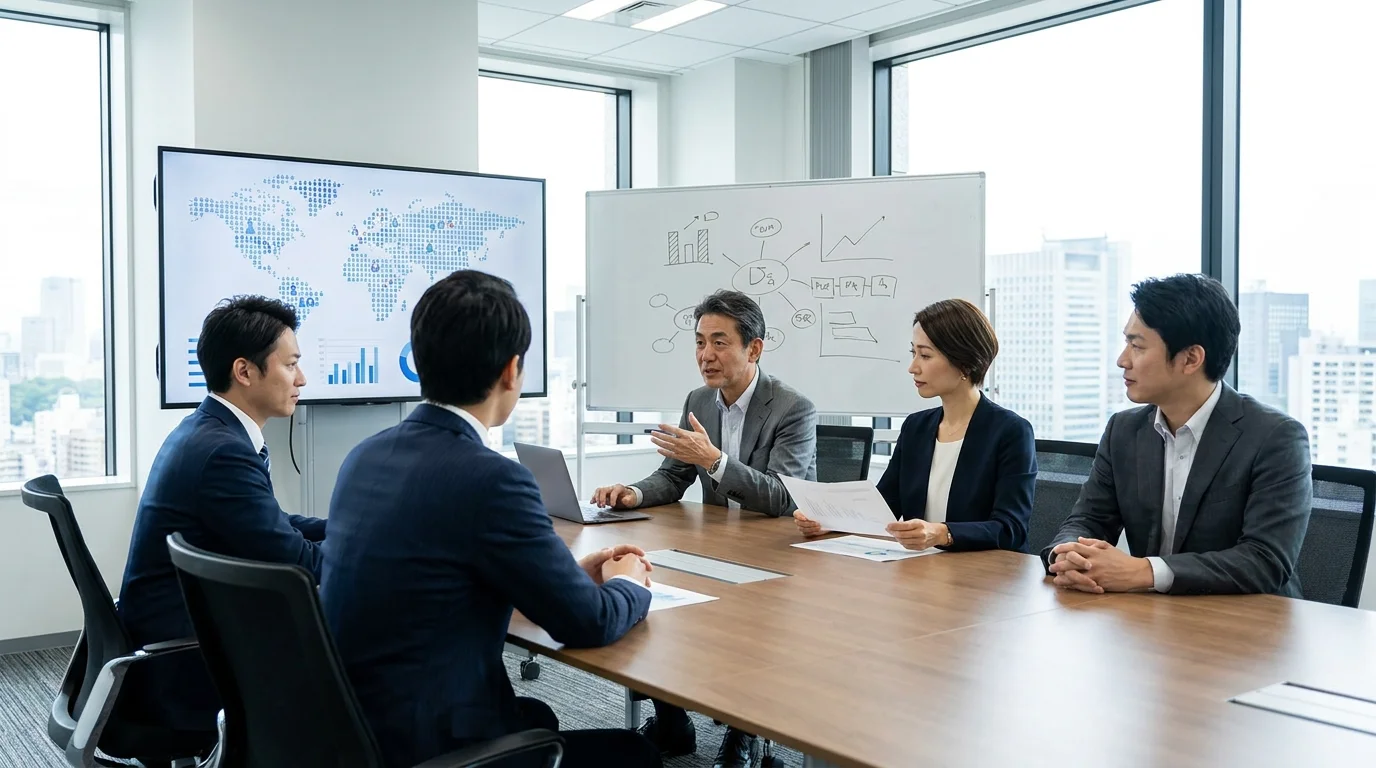
The biggest hurdle in automating meeting minutes was "speaker identification" in environments where multiple people speak simultaneously. The latest Speaker Diarization technology identifies speakers with over 98% accuracy by combining voiceprint analysis using x-vectors with spatial audio recognition. This makes it possible to save the decision-making process—identifying "whose opinion led to a consensus"—as structured data, rather than just a simple string of text.
2. Reading Between the Lines and Automated Action Item Extraction via LLMs
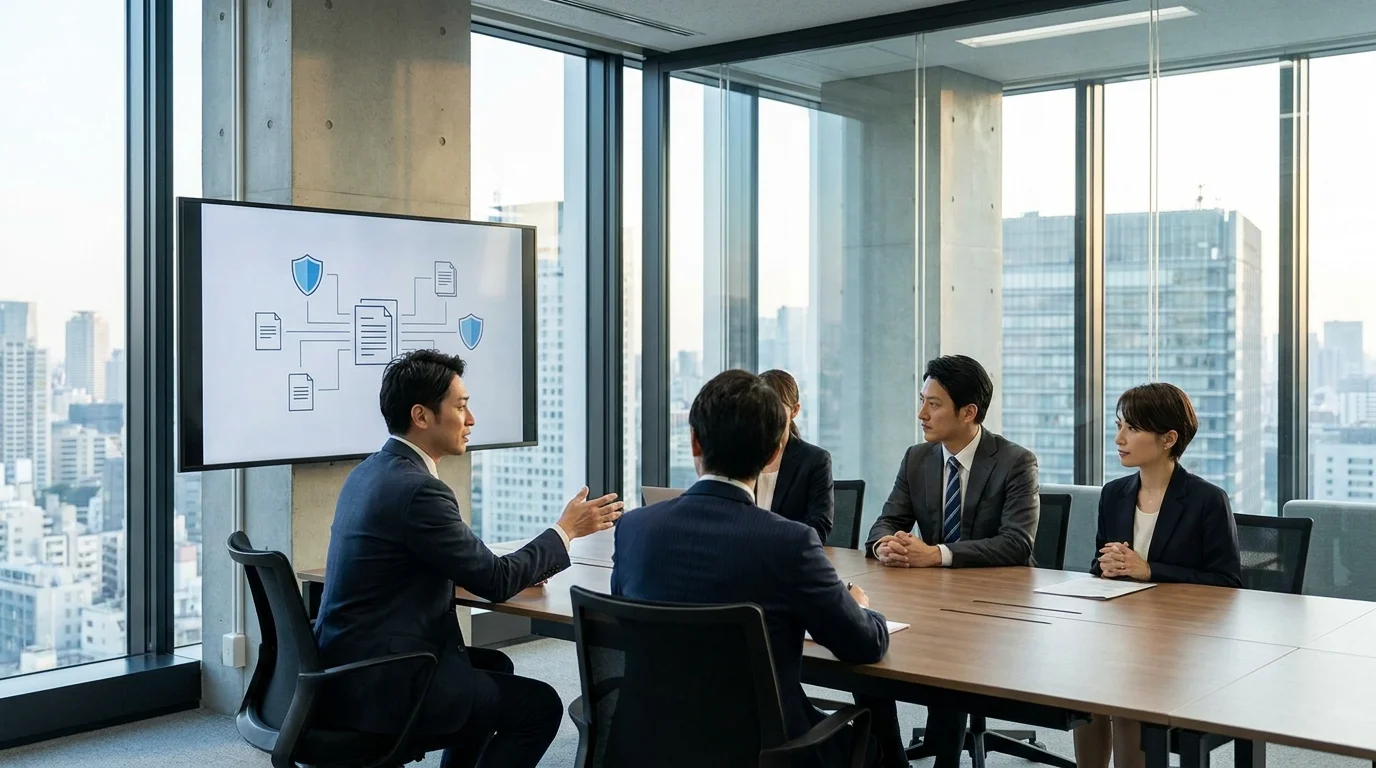
The role of LLMs (Large Language Models) is to elevate transcribed text into business-ready "meeting minutes." Models as of 2026 refer to industry-specific terminology via RAG (Retrieval-Augmented Generation) and perform context-based summarization through advanced attention mechanisms. In particular, the ability to automatically convert ambiguous instructions into concrete action items (ToDos) specifying "who should do what by when" drastically reduces PMO man-hours.
3. Simultaneous Multilingual Translation and Global Meeting DX
In cross-border projects, language barriers create information asymmetry. The latest AI translation engines keep latency below 0.5 seconds while using neural machine translation technology to provide real-time translations tailored to the business customs of each country. This has created an environment where Japanese-speaking participants and English-speaking participants can engage in two-way discussions without bias.
4. Quantitative Simulation of Return on Investment (ROI)
The implementation of AI meeting minutes generation tools goes beyond mere convenience. For a company with 100 employees, if an average of 5 hours per week is spent recording and organizing meetings, a reduction of approximately 24,000 hours per year is expected. This corresponds to an impact of tens of millions of yen in terms of labor costs.
Transforming Meeting Quality and Accelerating Decision-Making
Leave the implementation diagnosis and strategy formulation for AI-driven meeting minutes automation to our expert consultants.
Talk to us for a free strategy consultationSummary
In 2026, meeting minutes creation has evolved from simple transcription to the "structuring of decision-making." By combining accurate speaker identification via Speaker Diarization with advanced contextual understanding through LLMs, post-meeting work time is minimized while organizational productivity is maximized. Leveraging technology correctly to focus resources on strategic dialogue is the next-generation business standard.
Published: June 10, 2026 / By: Osamu Yasuda

Related Articles


References
- [1] IEEE Xplore: "Advanced Speaker Diarization Techniques in Noisy Environments" (2025)
- [2] Gartner: "Top Strategic Technology Trends for 2026: Hyper-Automation in Business Operations"